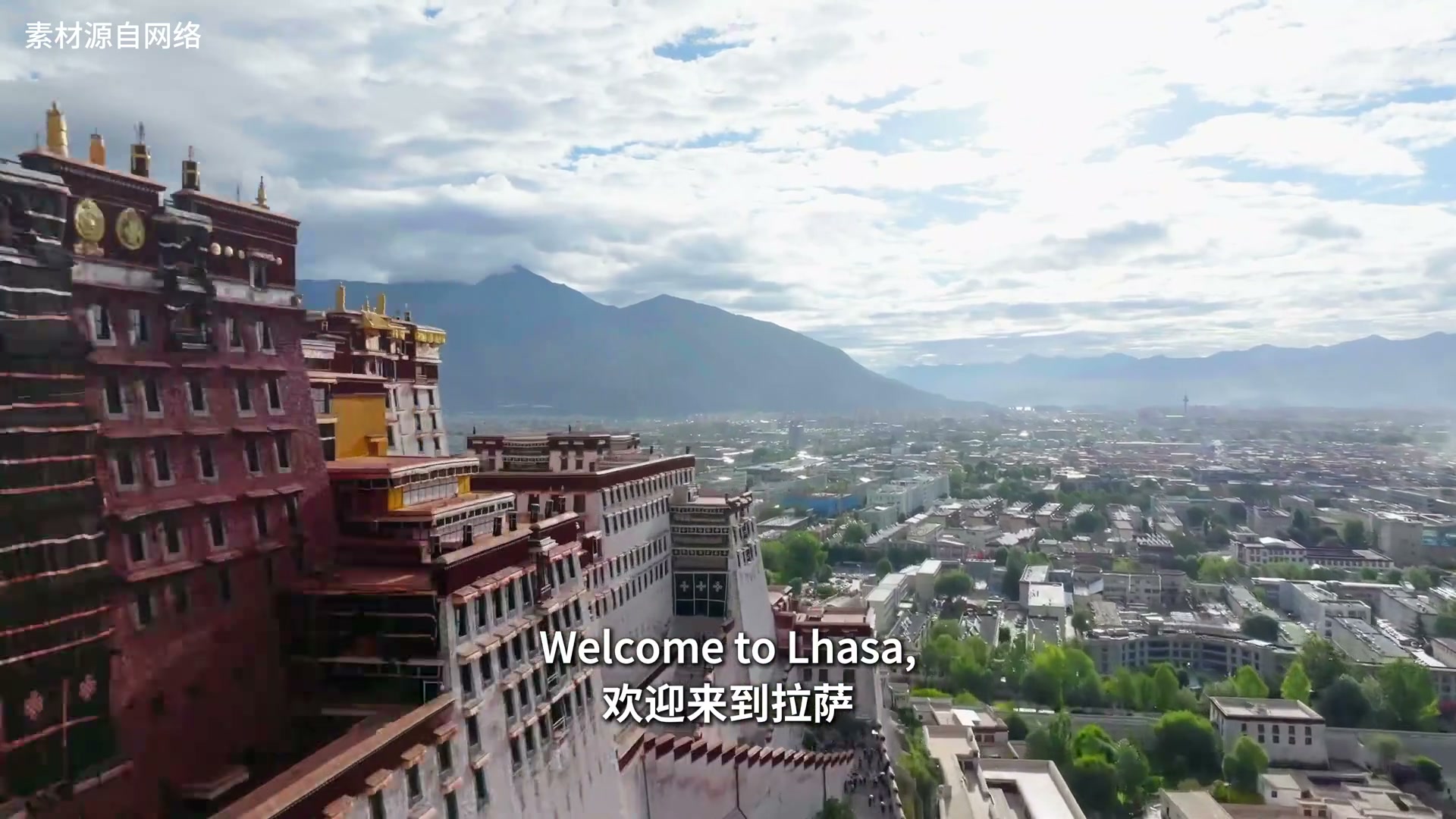
Lhasa
The City of Sunshine, a sanctuary of faith and purity on the Roof of the World.
Winter (November to March) can be quite cold, and the further drop in oxygen levels may exacerbate altitude sickness.
Lhasa is celebrated for its magnificent high-altitude natural landscapes and profound Tibetan Buddhist heritage. Situated at an elevation of about 3,650 meters, it features a plateau monsoon semi-arid climate with abundant year-round sunshine, earning it the title 'City of Sunshine'. The striking contrast of clear blue skies and majestic snow-capped mountains creates an awe-inspiring visual feast.
As the capital of the Xizang Autonomous Region, Lhasa boasts rapidly developing infrastructure and a growing economy. The city center features modern commercial districts and shopping centers with moderate consumption levels. Whether you are looking for traditional Tibetan handicrafts or modern conveniences, Lhasa caters to all the needs of international travelers.
The cultural rhythm of Lhasa is both relaxed and deeply spiritual, with devout locals spinning prayer wheels along the streets. The city retains strong Tibetan ethnic characteristics, offering authentic culinary delights such as butter tea, tsampa (roasted barley flour), and yak meat. The unique Tibetan architecture and intense religious atmosphere provide visitors with a profound sense of inner peace.
5A Scenic Spots
0 world-class attraction to explore
Getting Around
The city center is compact, making taxis and buses very convenient. For trips to surrounding attractions like Lake Namtso or Yamdrok Lake, chartering a car or joining a local tour is highly recommended.
Why visit Lhasa?
Lhasa is celebrated for its magnificent high-altitude natural landscapes and profound Tibetan Buddhist heritage. Situated at an elevation of about 3,650 meters, it features a plateau monsoon semi-arid climate with abundant year-round sunshine, earning it the title 'City of Sunshine'. The striking contrast of clear blue skies and majestic snow-capped mountains creates an awe-inspiring visual feast.
As the capital of the Xizang Autonomous Region, Lhasa boasts rapidly developing infrastructure and a growing economy. The city center features modern commercial districts and shopping centers with moderate consumption levels. Whether you are looking for traditional Tibetan handicrafts or modern conveniences, Lhasa caters to all the needs of international travelers.
The cultural rhythm of Lhasa is both relaxed and deeply spiritual, with devout locals spinning prayer wheels along the streets. The city retains strong Tibetan ethnic characteristics, offering authentic culinary delights such as butter tea, tsampa (roasted barley flour), and yak meat. The unique Tibetan architecture and intense religious atmosphere provide visitors with a profound sense of inner peace.
Ready to explore Lhasa?
Save this city to your wishlist, or jump straight into trip prep — visa, payment and connectivity in one place.